PCE Inflation Sticks at 3.7% as Weak Real Spending Complicates the Fed’s Next Move
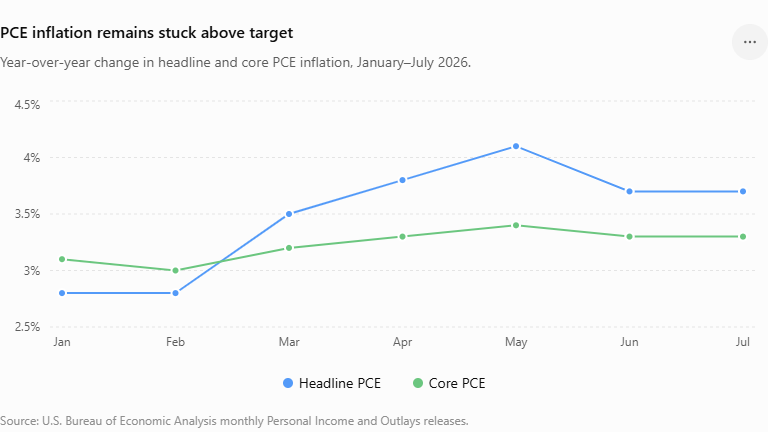
Hotter PCE this week complicates the Fed’s policy calculus.

Hotter PCE this week complicates the Fed’s policy calculus.

U.S. housing weakened further in July as new-home sales fell sharply, inventories climbed and price growth remained subdued. Elevated mortgage rates continue to constrain affordability, reinforcing evidence that restrictive financial conditions are slowing one of the economy’s most rate-sensitive sectors.

Wall Street strategists favor high-quality income and securitized credit as long-term yields remain pressured by fiscal supply and inflation uncertainty. Intermediate bonds, agency MBS and selective credit lead the opportunity set, while concentrated long-duration exposure remains a tactical rather than strategic trade.
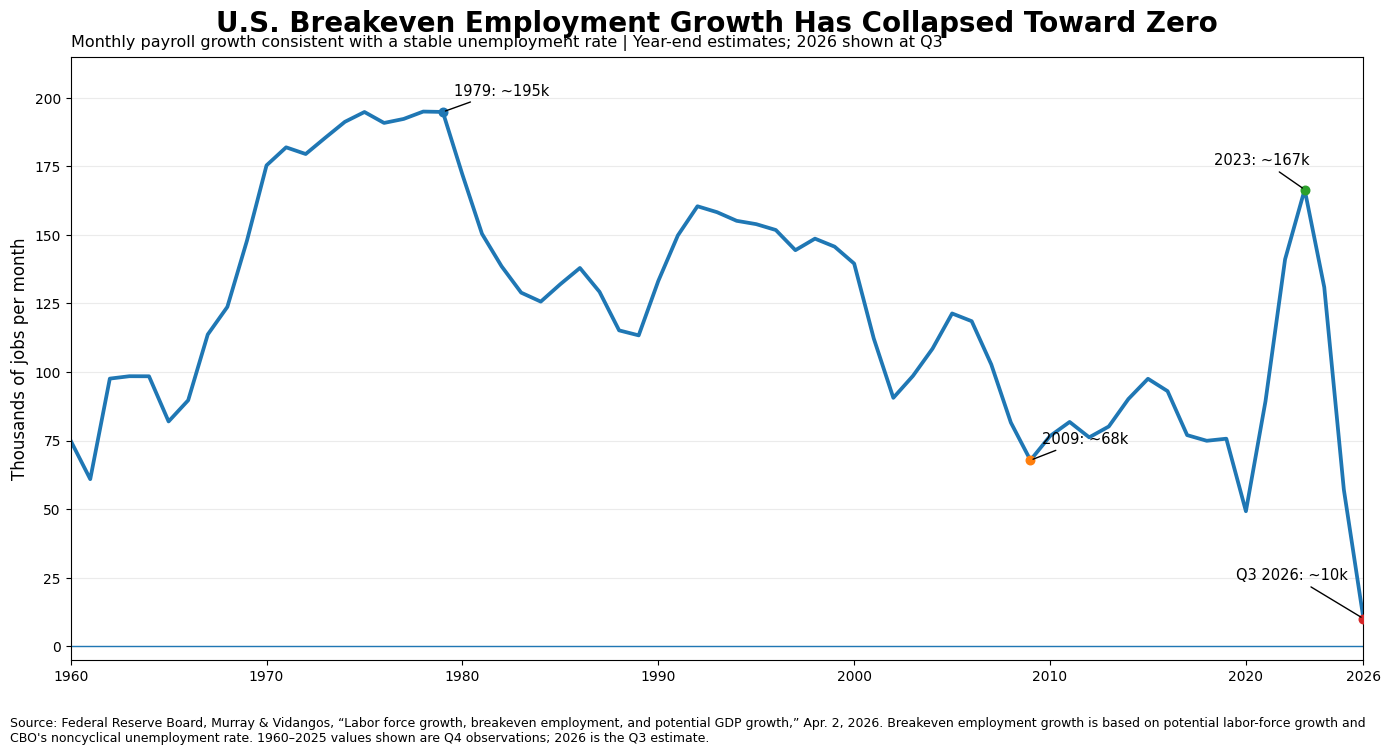
U.S. payroll growth has turned negative, but the signal looks different from past recessions. Labor-force growth has collapsed, breakeven job creation is near zero, layoffs remain subdued, and productivity is allowing the economy to expand with far fewer new workers.

Jackson Hole arrives with the Fed caught between persistent inflation and weakening growth. Warsh must clarify the policy reaction function without precommitting to September, as markets increasingly expect a hawkish hold while preserving the option of another 2026 rate hike.
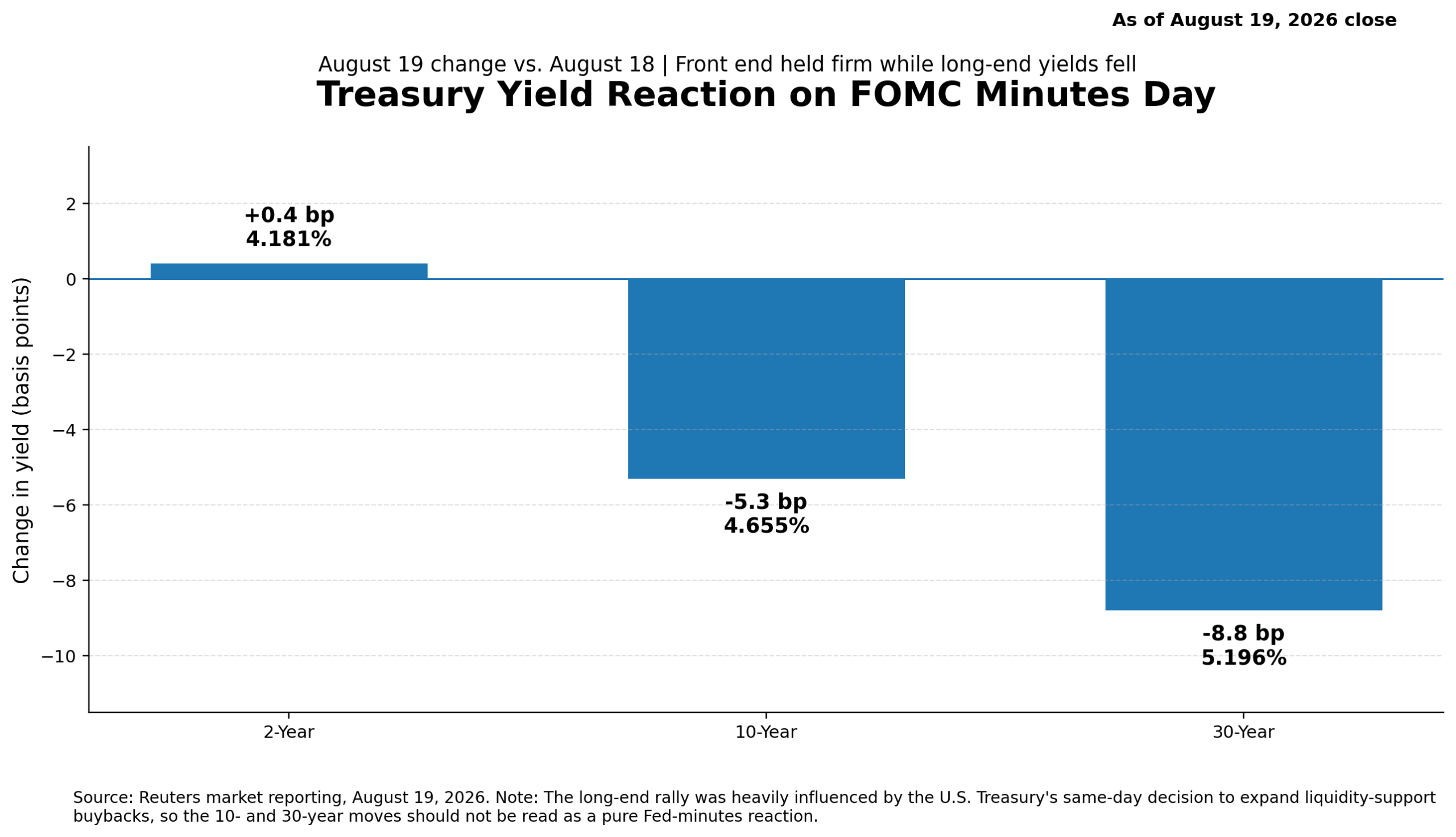
Fed minutes showed policymakers increasingly concerned that inflation remains too persistent, with several officials favoring tighter policy. Softer employment data complicate that stance, leaving Treasury investors balancing renewed rate-hike risk against mounting evidence that economic momentum is beginning to weaken.
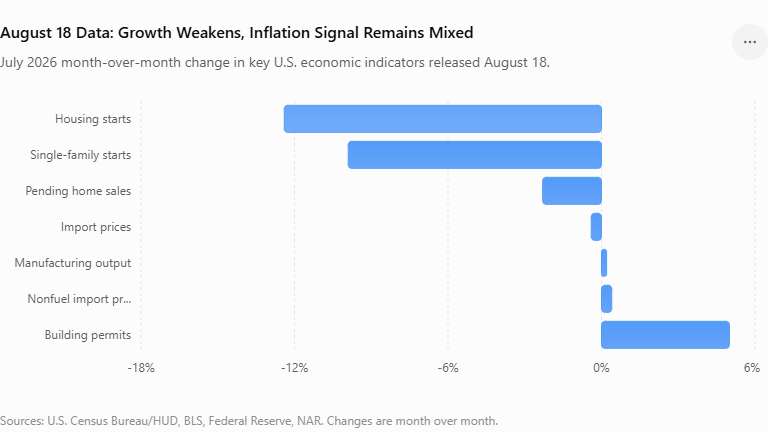
Weak July housing data and softer headline import prices reinforced evidence that restrictive rates are slowing the economy, but firmer nonfuel import costs and resilient manufacturing leave the Fed facing a difficult balance between growth risks and persistent inflation pressure.
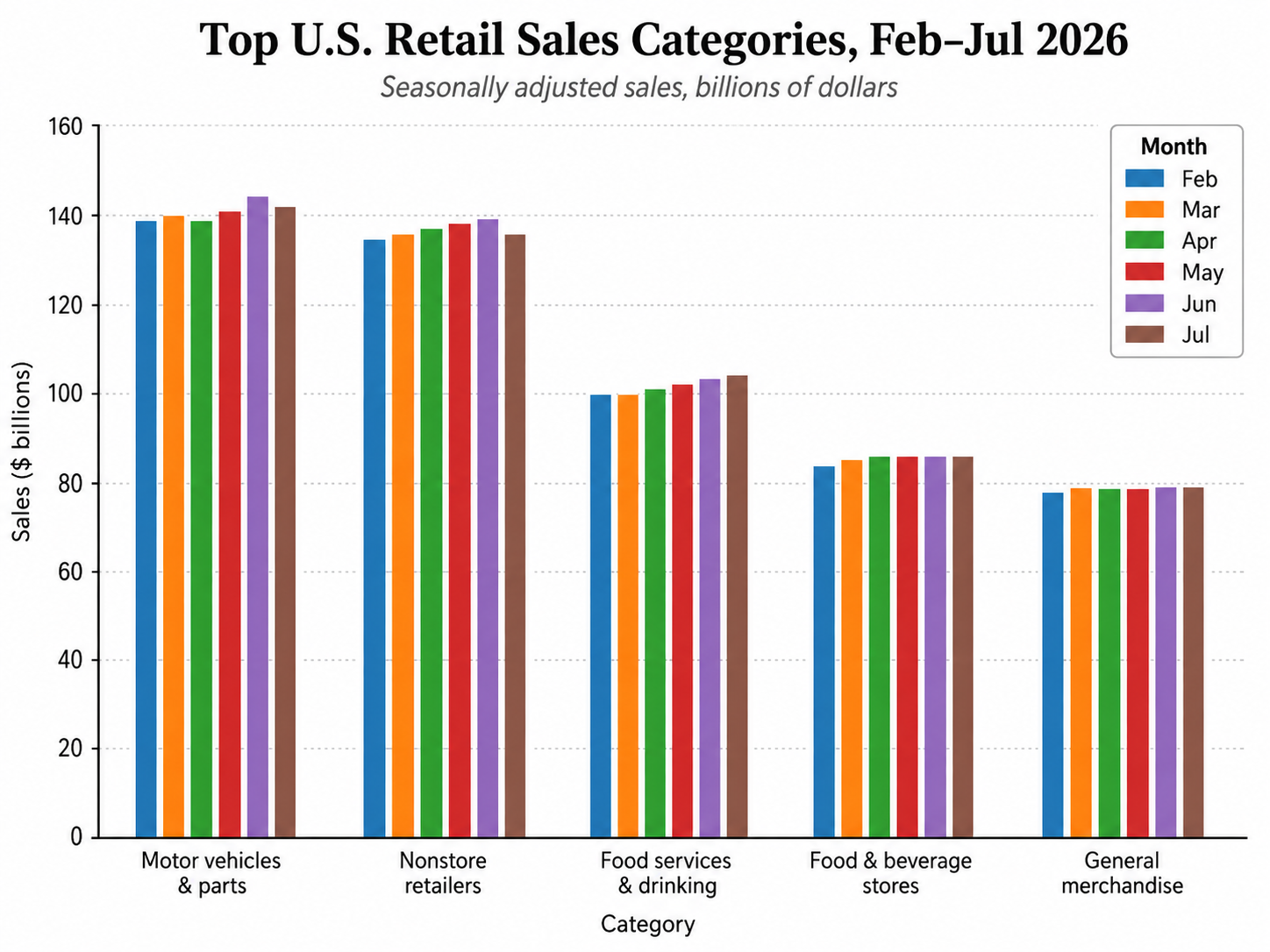
U.S. retail sales fell sharply in July, adding another piece of evidence that economic momentum is cooling as weaker hiring and elevated prices begin to weigh on consumers. Retail and food-services sales declined 0.6% in July to $763.6 billion, the first monthly decline in nine months and the largest drop in 14 months. Economists surveyed … Read more
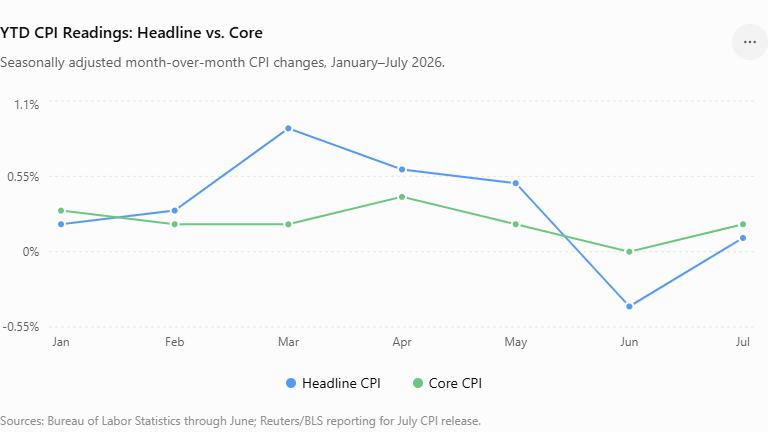
July CPI cooled enough to support fixed income, with headline inflation up 0.1% and core up 0.2%. The front end rallied modestly, but the 30-year yield stayed elevated, keeping long-duration Treasuries tactical rather than a full overweight.

Fixed income ETF flows show investors shifting from a simple cash trade to a more nuanced barbell: cash and short duration remain core, while munis, AAA CLOs, tactical high yield and TLT dip-buying show selective risk appetite.